• Login / Join
  • About
  • •
  • Contact
  • •
  • Advertising
bustler logo
bustler logo
  • News
  • Competitions
  • Events
  • Bustler is powered by Archinect
  • Sign up for Bustler's Email Newsletters

  • Follow these Bustler feeds:

  • Search

    Search in

  • Submit

    What are you submitting?

    News Pitch
    Competition
    Event
  • Login / Join
  • News|Competitions|Events
  • Search
    | Submit
    | Follow
  • Search in

    What are you submitting?

    News Pitch
    Competition
    Event

    Follow these Bustler feeds:

  • About|Contact|Advertising
  • Login / Join

Shigeru Ban named as 2014 Pritzker Prize Laureate

By Bustler Editors|

Monday, Mar 24, 2014
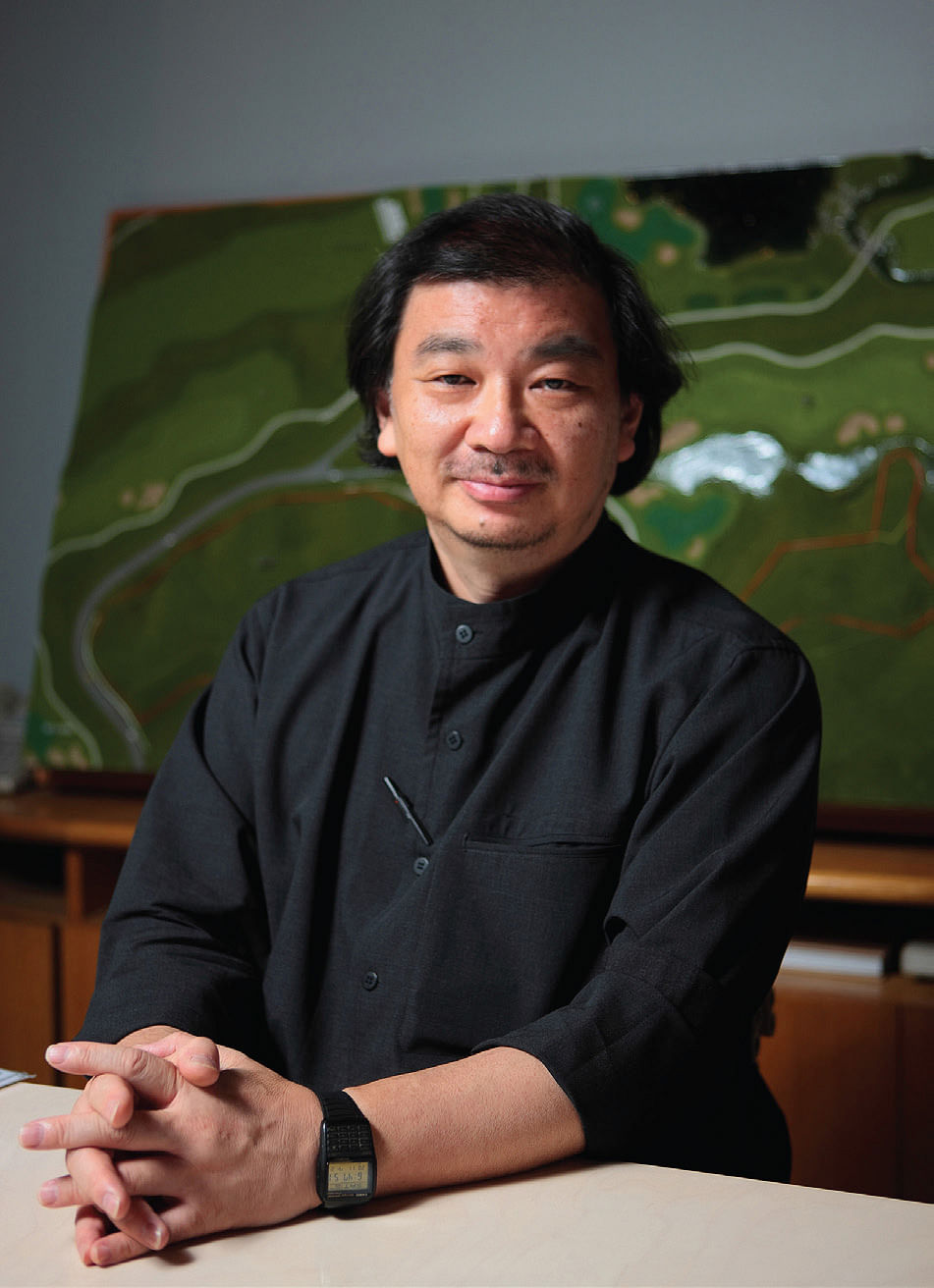
Shigeru Ban, 2014 Pritzker Architecture Prize Winner.

Japanese architect Shigeru Ban has been announced as the 2014 Laureate of the Pritzker Architecture Prize. Established by the Pritzker family of Chicago in 1979, the prestigious award is widely regarded as "the Nobel Prize" in the architecture profession.

Shigeru Ban will be the seventh Japanese architect to become a Pritzker Laureate — the first six being the late Kenzo Tange in 1987, Fumihiko Maki in 1993, Tadao Ando in 1995, the team of Kazuyo Sejima and Ryue Nishizawa in 2010, and Toyo Ito in 2013.

Shigeru Ban will officially accept the prize at a formal ceremony in the Rijksmuseum in Amsterdam on June 13, 2014. This will be the first time the ceremony will be held in The Netherlands.

Past recipients in recent years include Toyo Ito (2013), Wang Shu (2012), Eduardo Souto de Moura (2011), SANAA (2010), and Peter Zumthor (2009). Laureates receive a $100,000 grant, a formal citation certificate, and a bronze medallion based on the designs of famed Chicago architect Louis Sullivan.

From the winning announcement:

"Shigeru Ban, a Tokyo-born, 56-year-old architect with offices in Tokyo, Paris and New York, is rare in the field of architecture. He designs elegant, innovative work for private clients, and uses the same inventive and resourceful design approach for his extensive humanitarian efforts. For twenty years Ban has traveled to sites of natural and man-made disasters around the world, to work with local citizens, volunteers and students, to design and construct simple, dignified, low-cost, recyclable shelters and community buildings for the disaster victims."
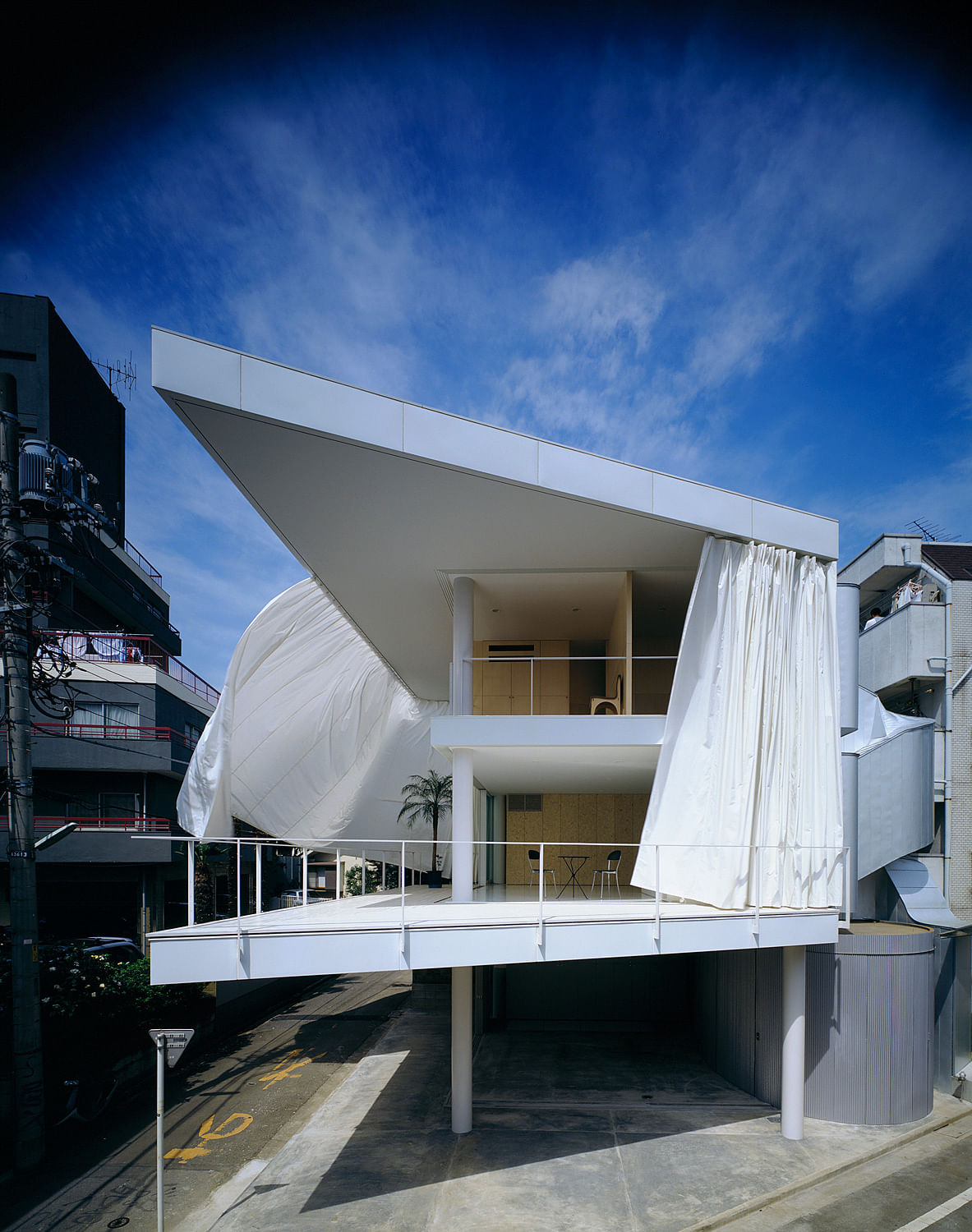
Curtain Wall House, 1995, Tokyo, Japan. Photo by Hiroyuki Hirai

"Reached at his Paris office, Shigeru Ban said, 'Receiving this prize is a great honor, and with it, I must be careful. I must continue to listen to the people I work for, in my private residential commissions and in my disaster relief work. I see this prize as encouragement for me to keep doing what I am doing — not to change what I am doing, but to grow.'"
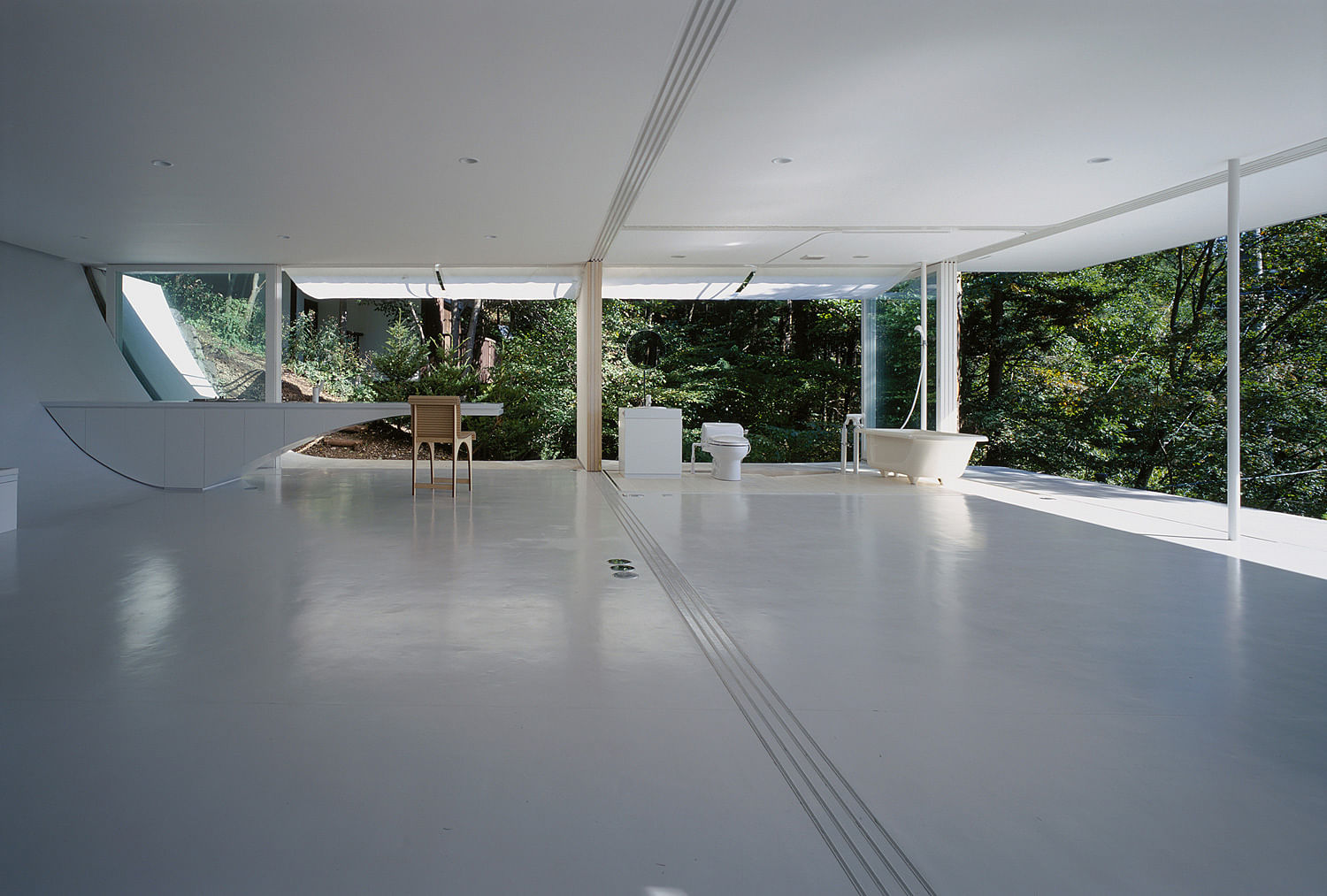
Wall-Less House, 1997, Nagano, Japan. Photo by Hiroyuki Hirai

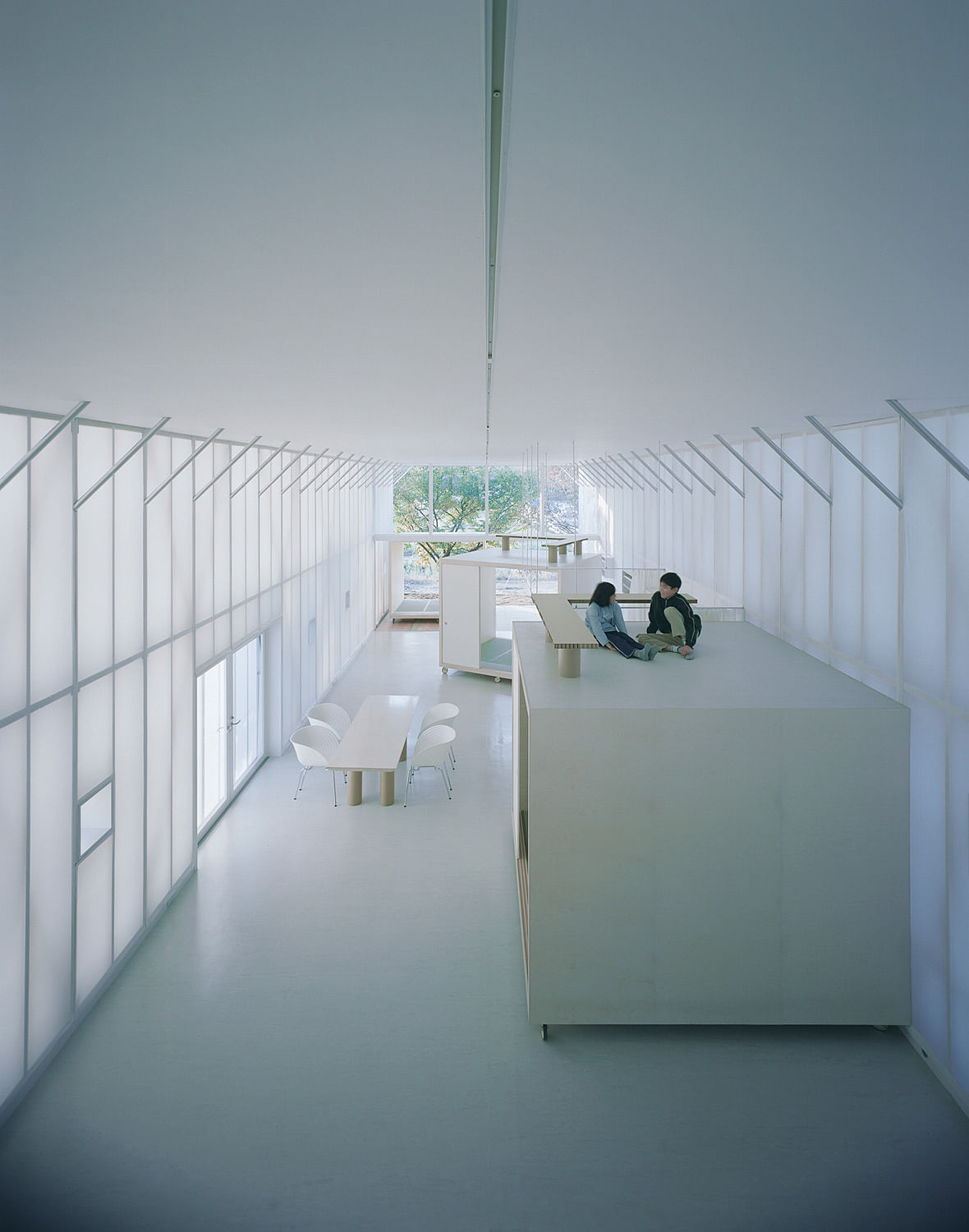
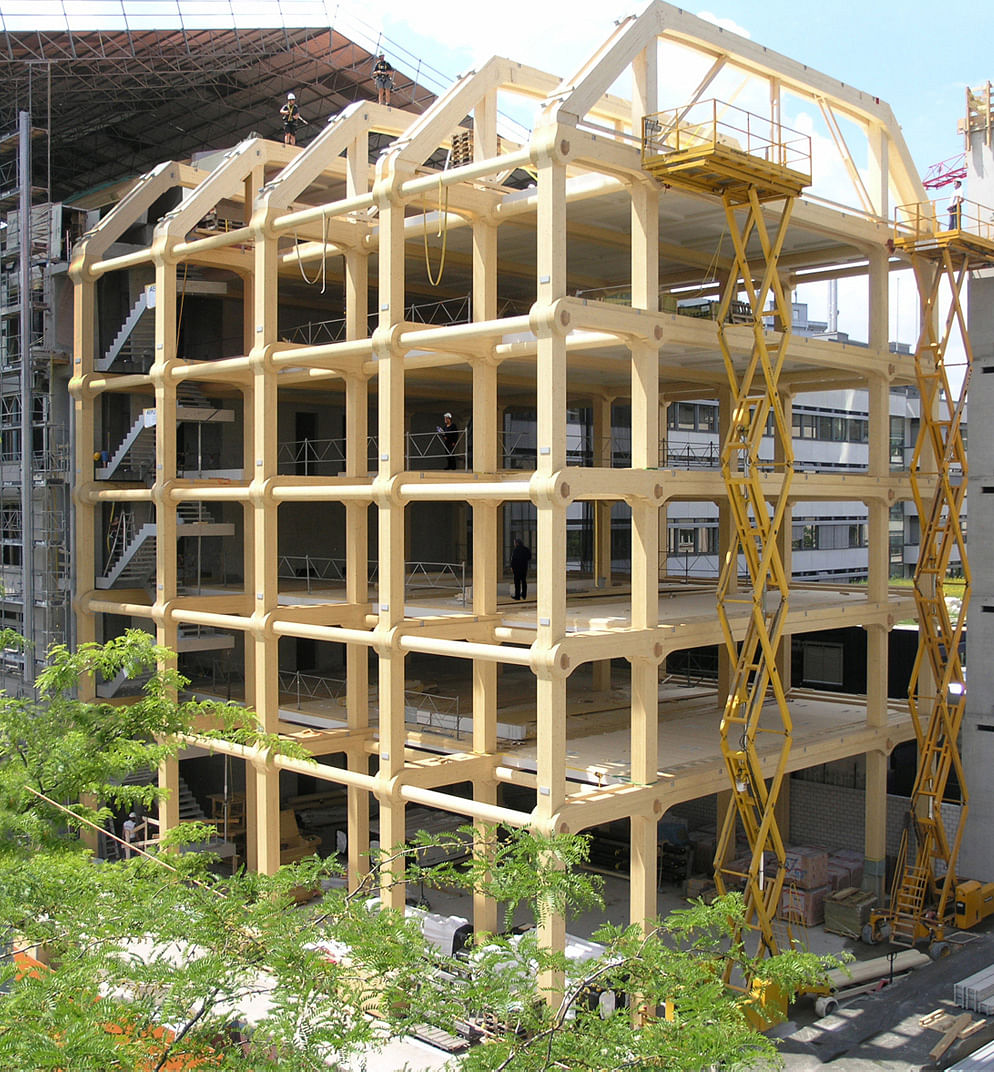
"In all parts of his practice, Ban finds a wide variety of design solutions, often based around structure, materials, view, natural ventilation and light, and a drive to make comfortable places for the people who use them. From private residences and corporate headquarters, to museums, concert halls and other civic buildings, Ban is known for the originality, economy, and ingeniousness of his works, which do not rely on today’s common high-tech solutions."
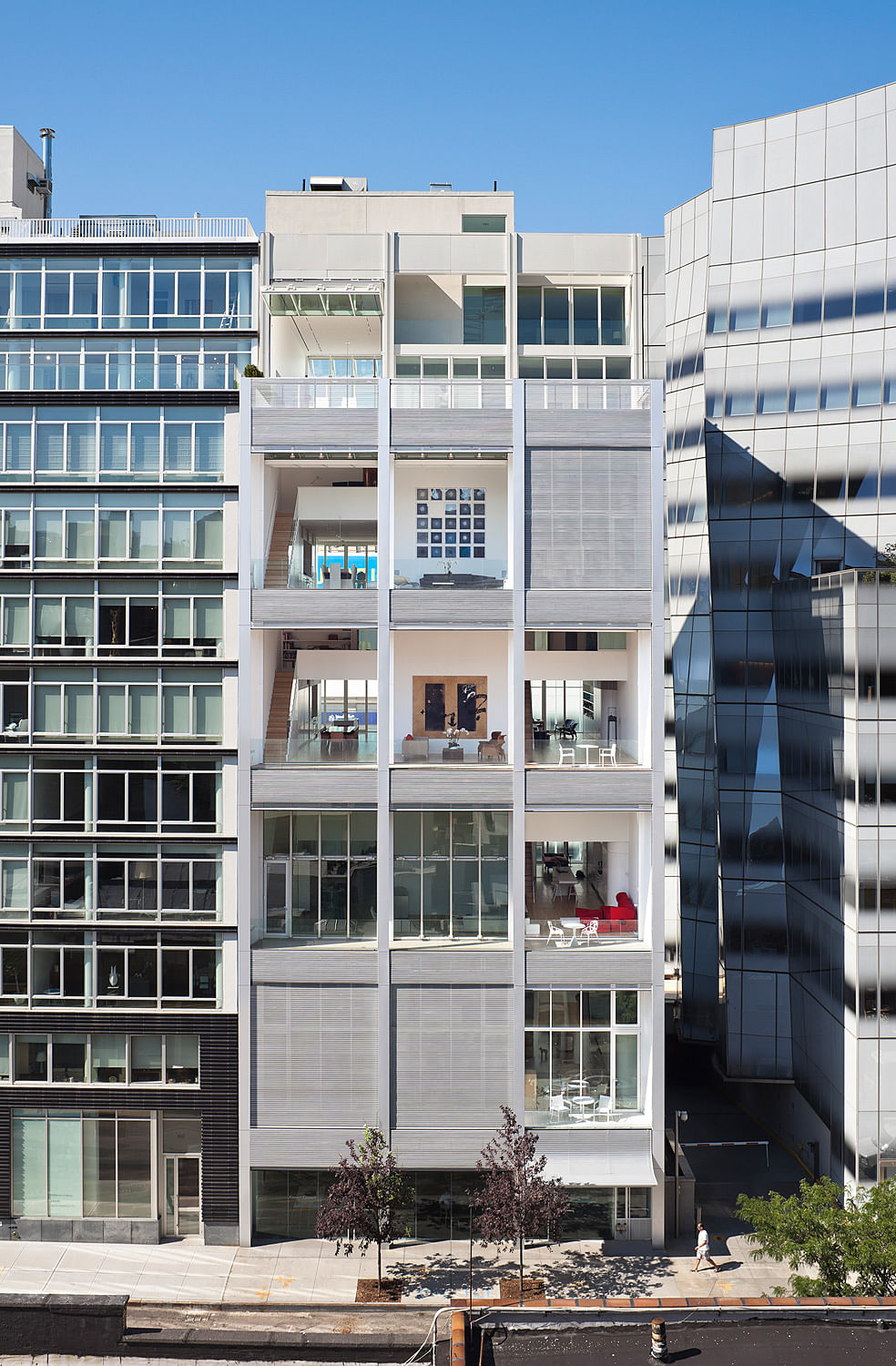
Metal Shutter House, 2010, New York, USA. Photo by Michael Moran

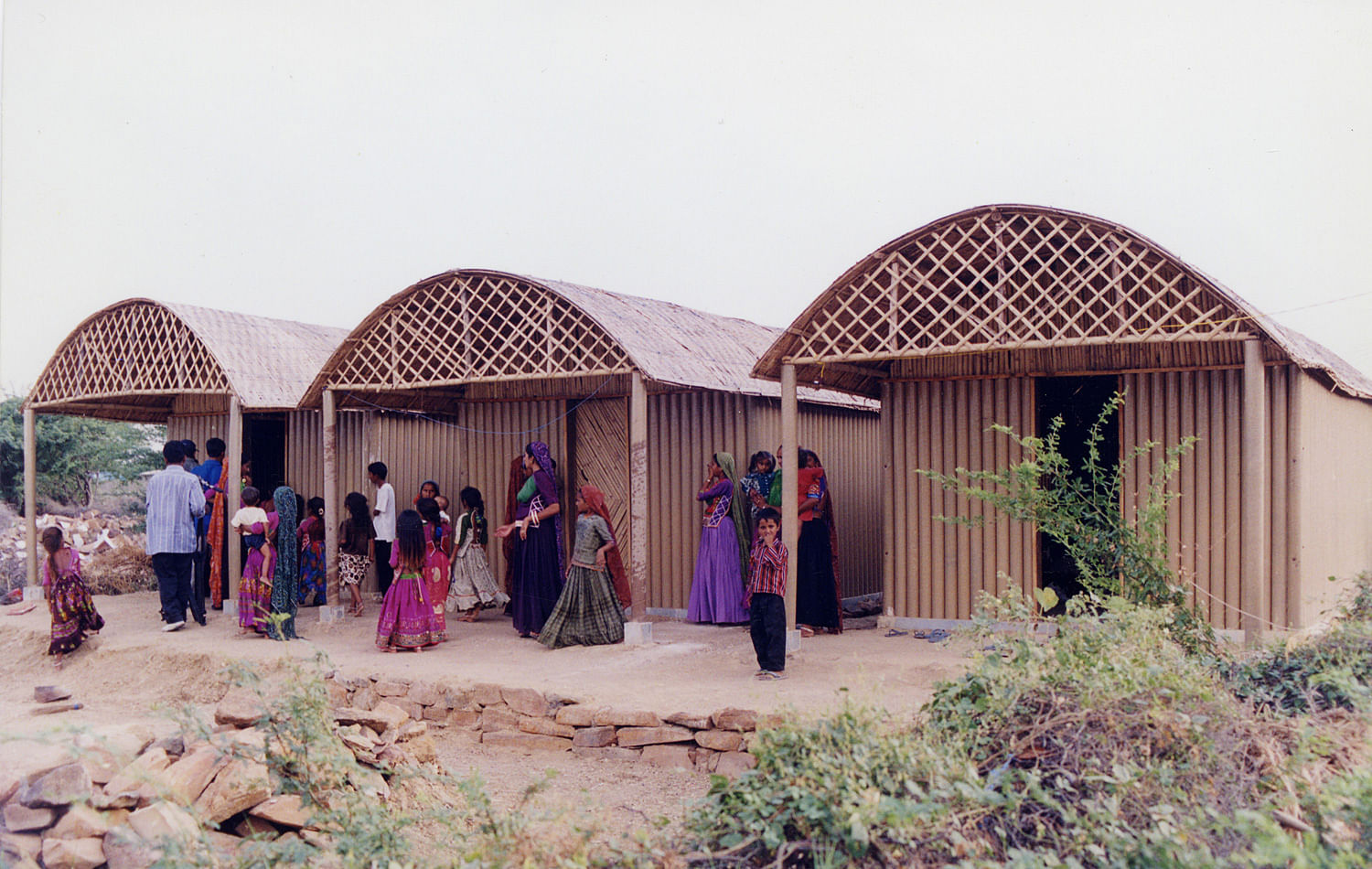
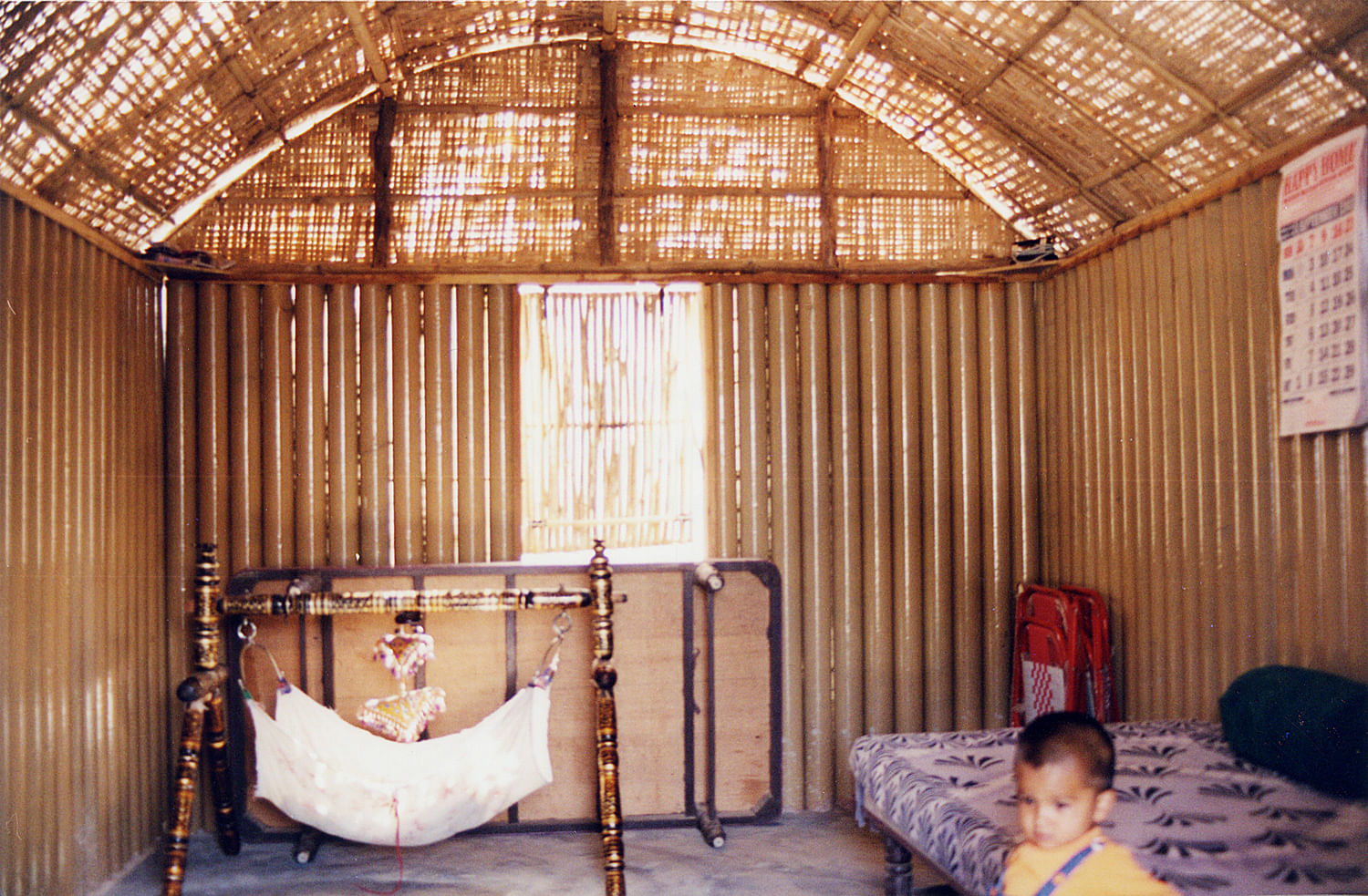
"To construct his disaster relief shelters, Ban often employs recyclable cardboard paper tubes for columns, walls and beams, as they are locally available; inexpensive; easy to transport, mount and dismantle; and they can be water- and fire-proofed, and recycled. He says that his Japanese upbringing helps account for his wish to waste no materials."
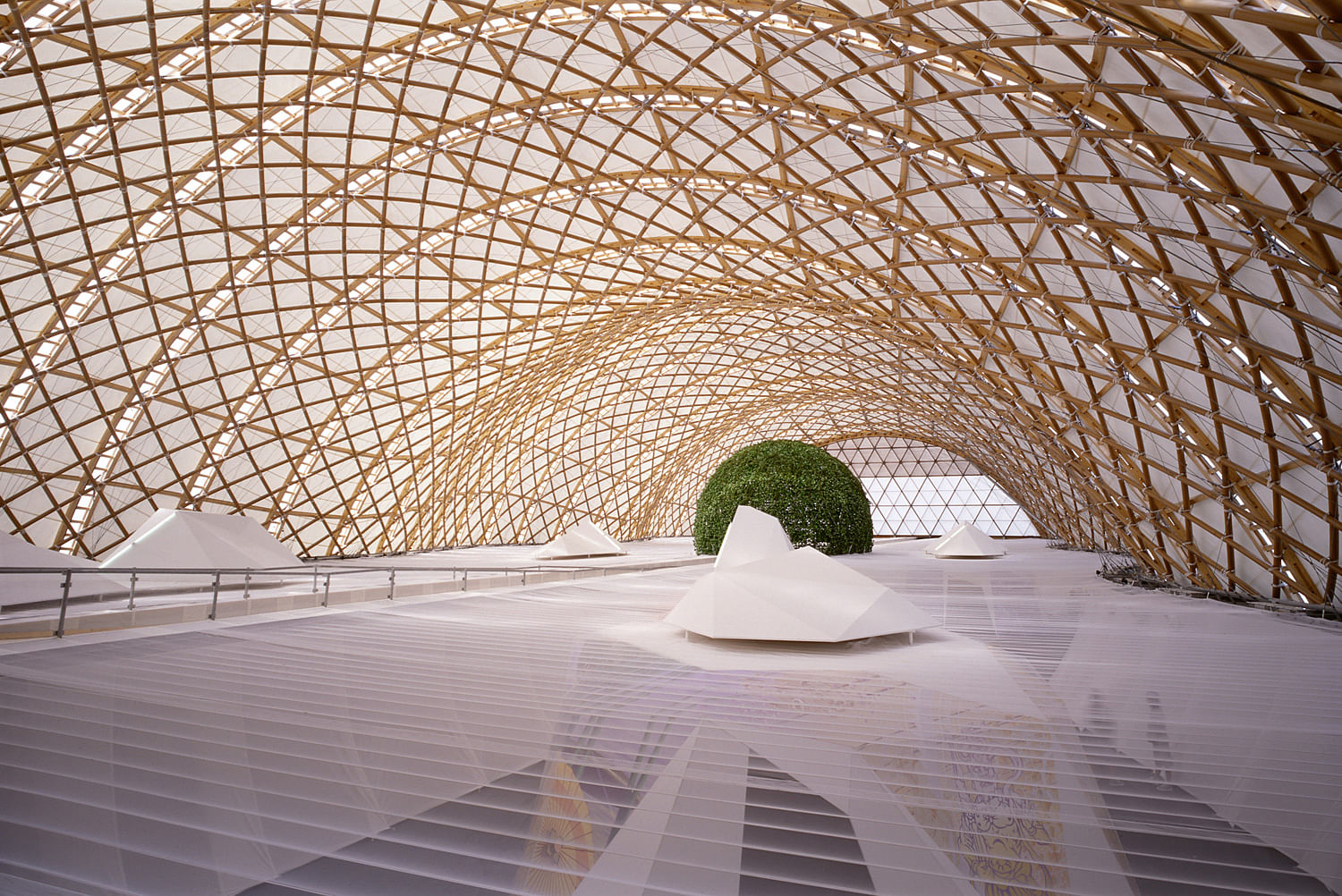
Japan Pavilion, Expo 2000 Hannover, 2000, Germany. Photo by Hiroyuki Hirai

"As a boy, Shigeru Ban observed traditional Japanese carpenters working at his parents’ house and to him their tools, the construction, and the smells of wood were magic. He would save cast aside pieces of wood and build small models with them. He wanted to become a carpenter. But at age eleven, his teacher asked the class to design a simple house and Ban’s was displayed in the school as the best. Since then, to be an architect was his dream."
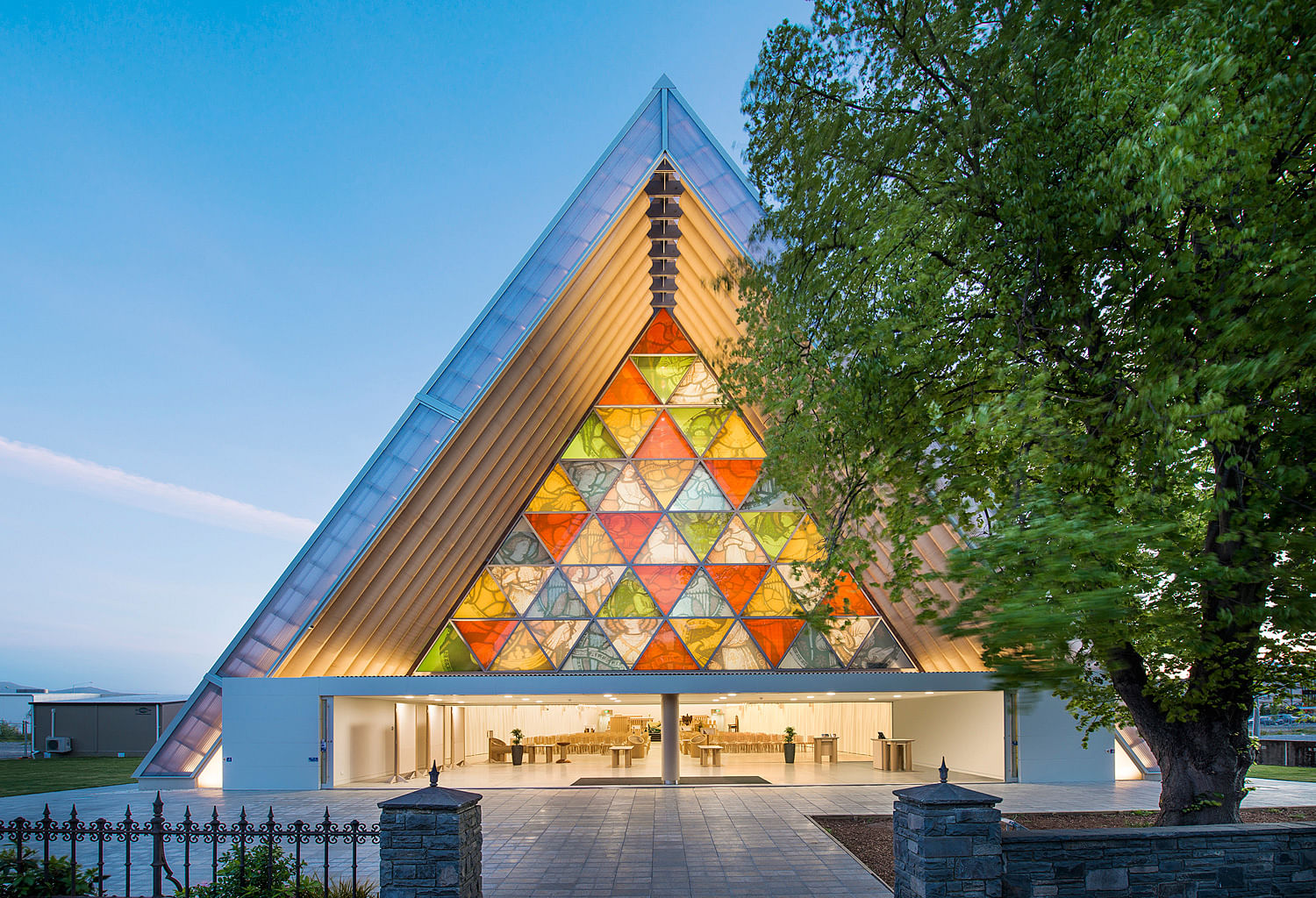
Cardboard Cathedral, 2013, Christchurch, New Zealand. Photo by Stephen Goodenough

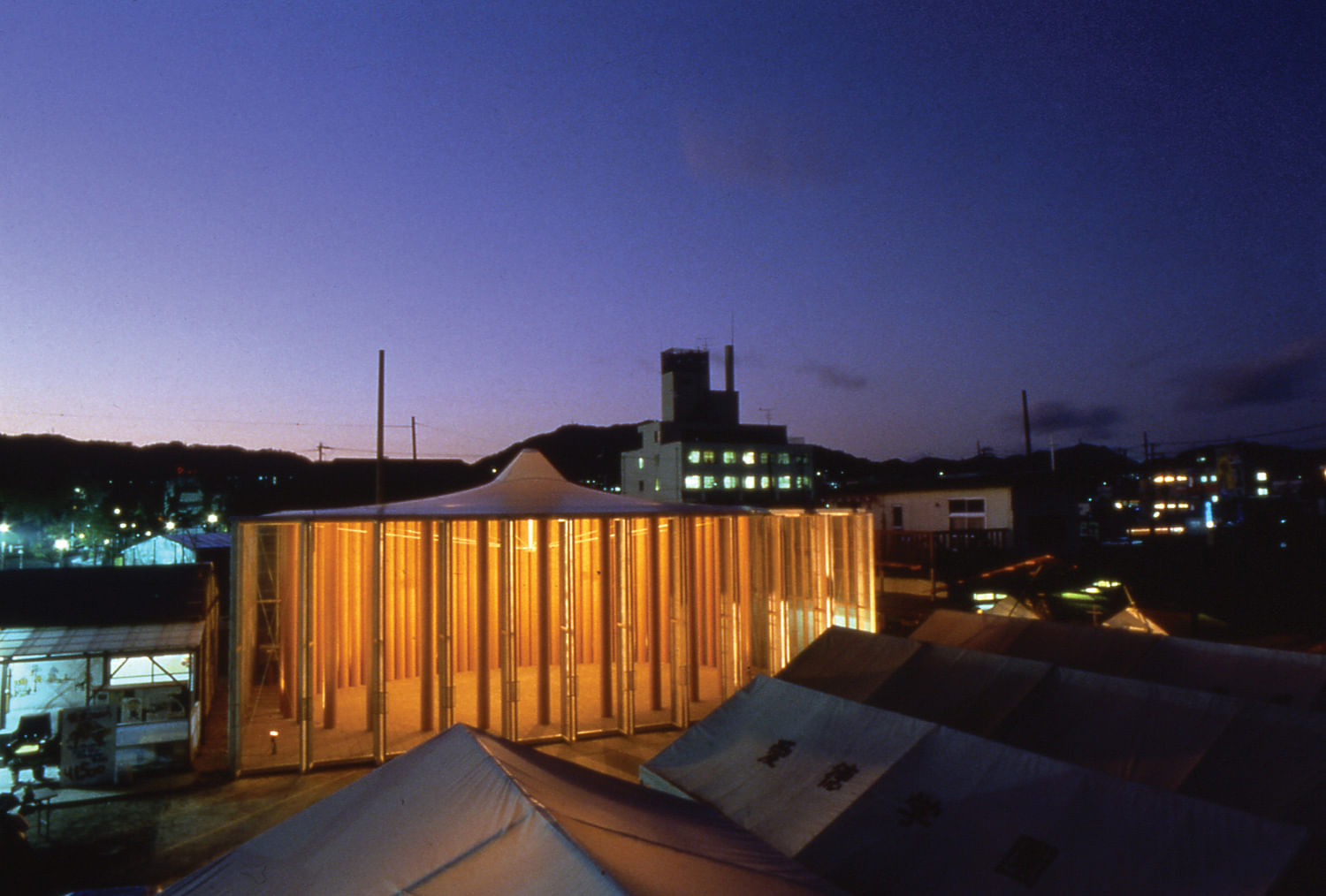
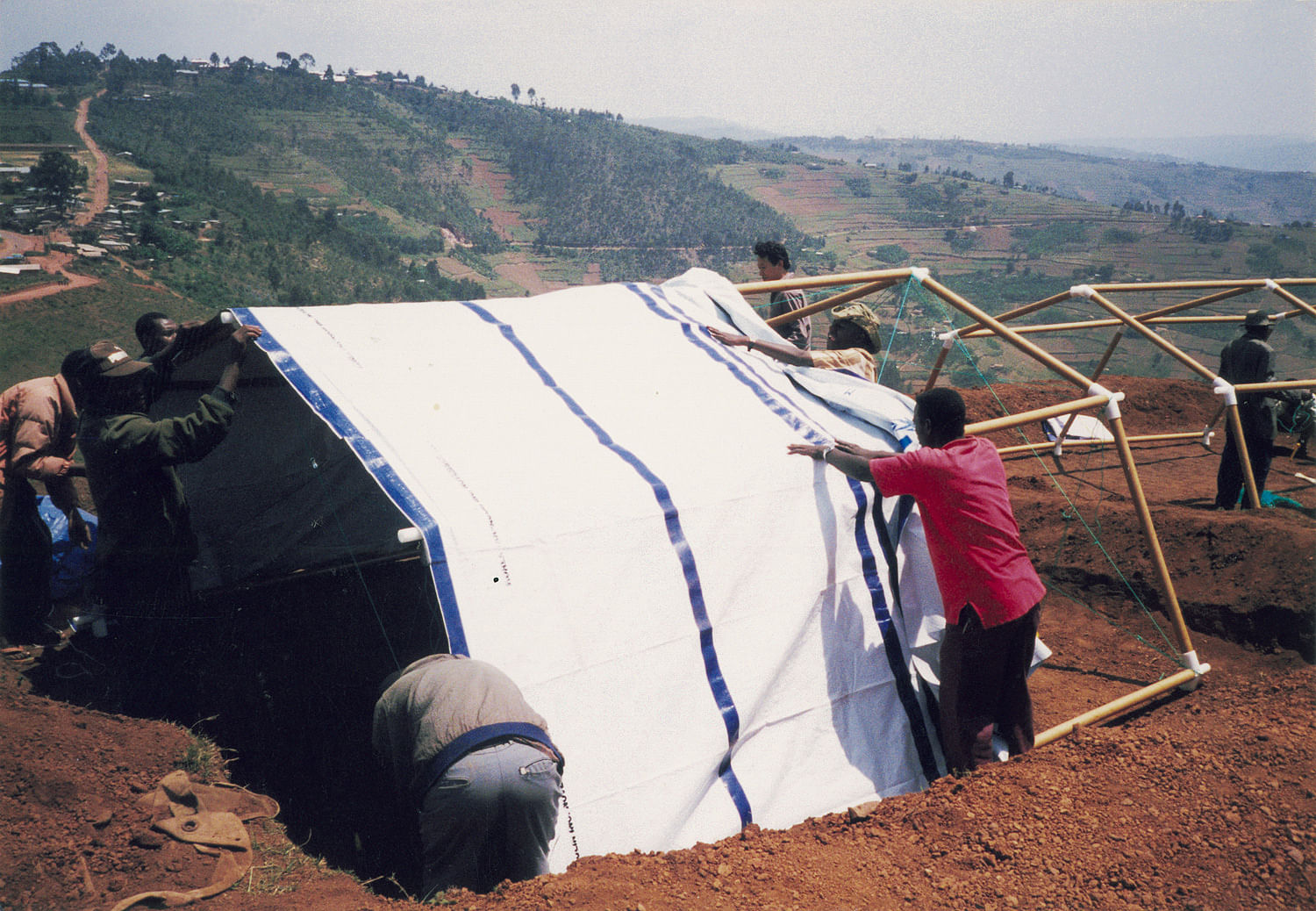
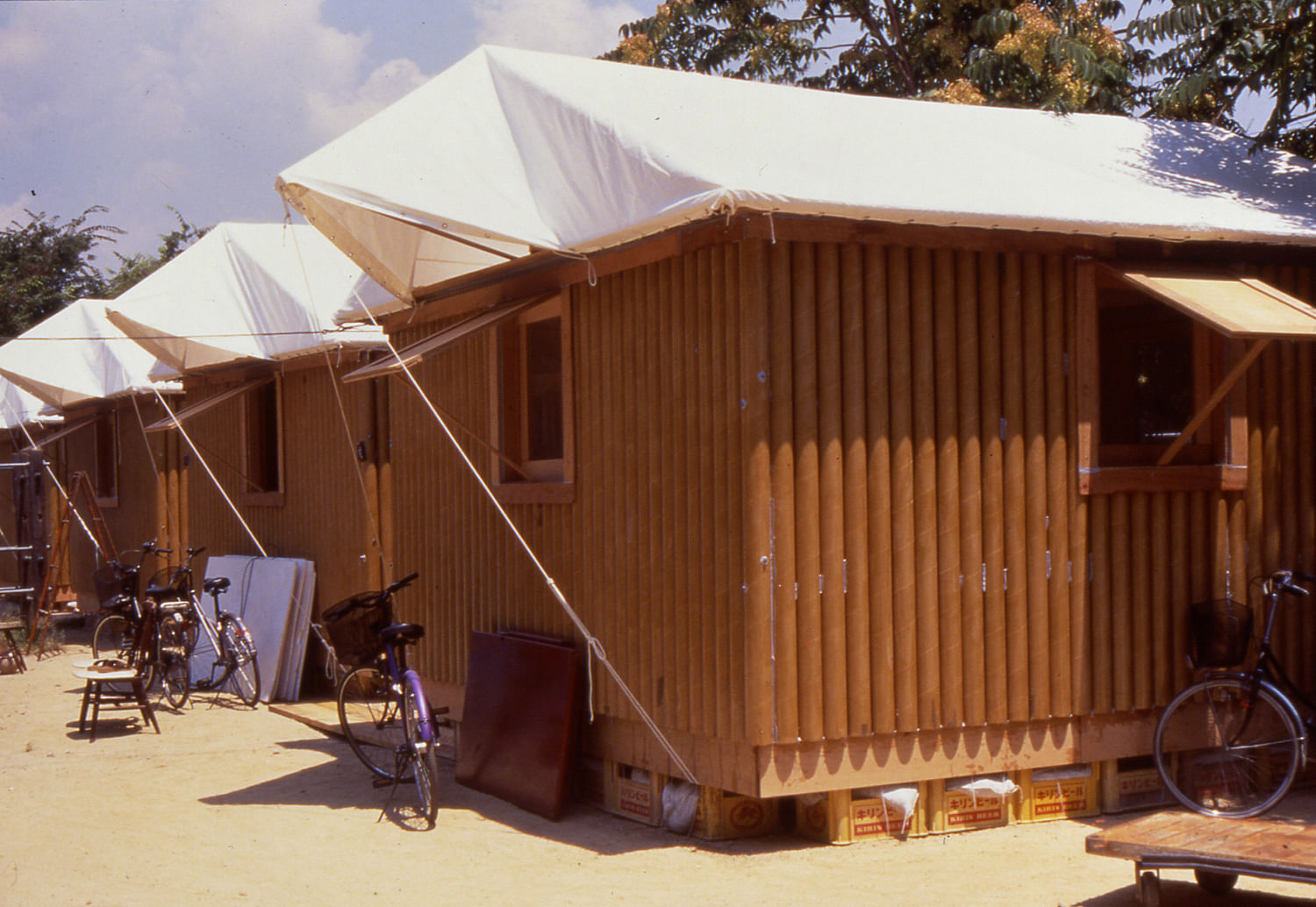
"Ban’s humanitarian work began in response to the 1994 conflict in Rwanda, which threw millions of people into tragic living conditions. Ban proposed paper-tube shelters to the United Nations High Commissioner for Refugees and they hired him as a consultant. After the 1995 earthquake in Kobe, Japan, he again donated his time and talent. There, Ban developed the “Paper Log House,” for Vietnamese refugees in the area, with donated beer crates filled with sandbags for the foundation, he lined up the paper cardboard tubes vertically, to create the walls of the houses. Ban also designed “Paper Church,” as a community center of paper tubes for the victims of Kobe. It was later disassembled and sent to Taiwan, and reconstructed there, in 2008."
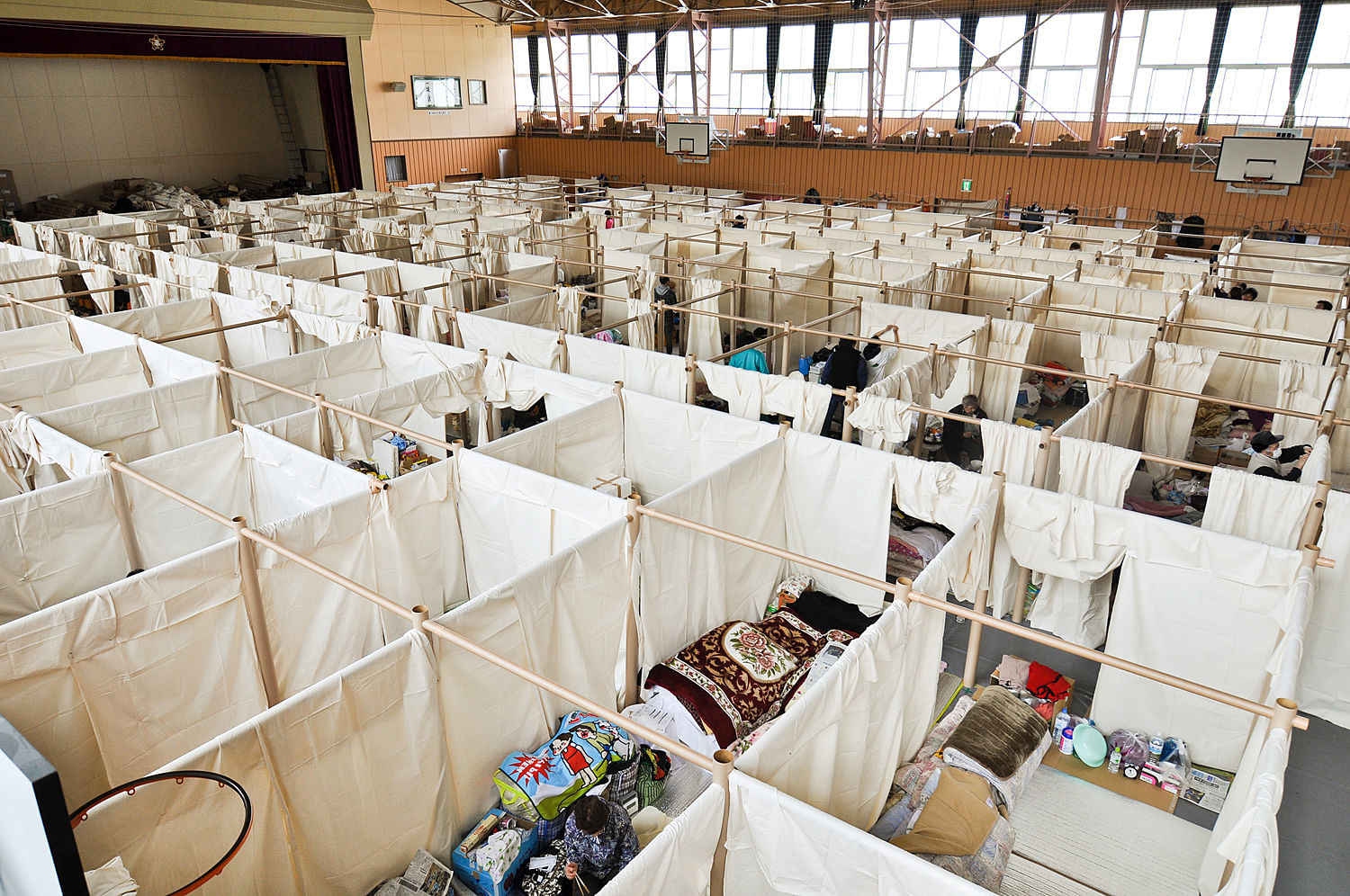
Paper Partition System 4, 2011, Japan. Photo by Voluntary Architects’ Network

"Ban works with local victims, students, and other volunteers to get these disaster relief projects built. In 1995, he founded a non-governmental organization (NGO) called VAN: Voluntary Architects’ Network. With VAN, following earthquakes, tsunami, hurricanes, and war, he has conducted this work in Japan, Turkey, India, Sri Lanka, China, Haiti, Italy, New Zealand, and currently, the Philippines."
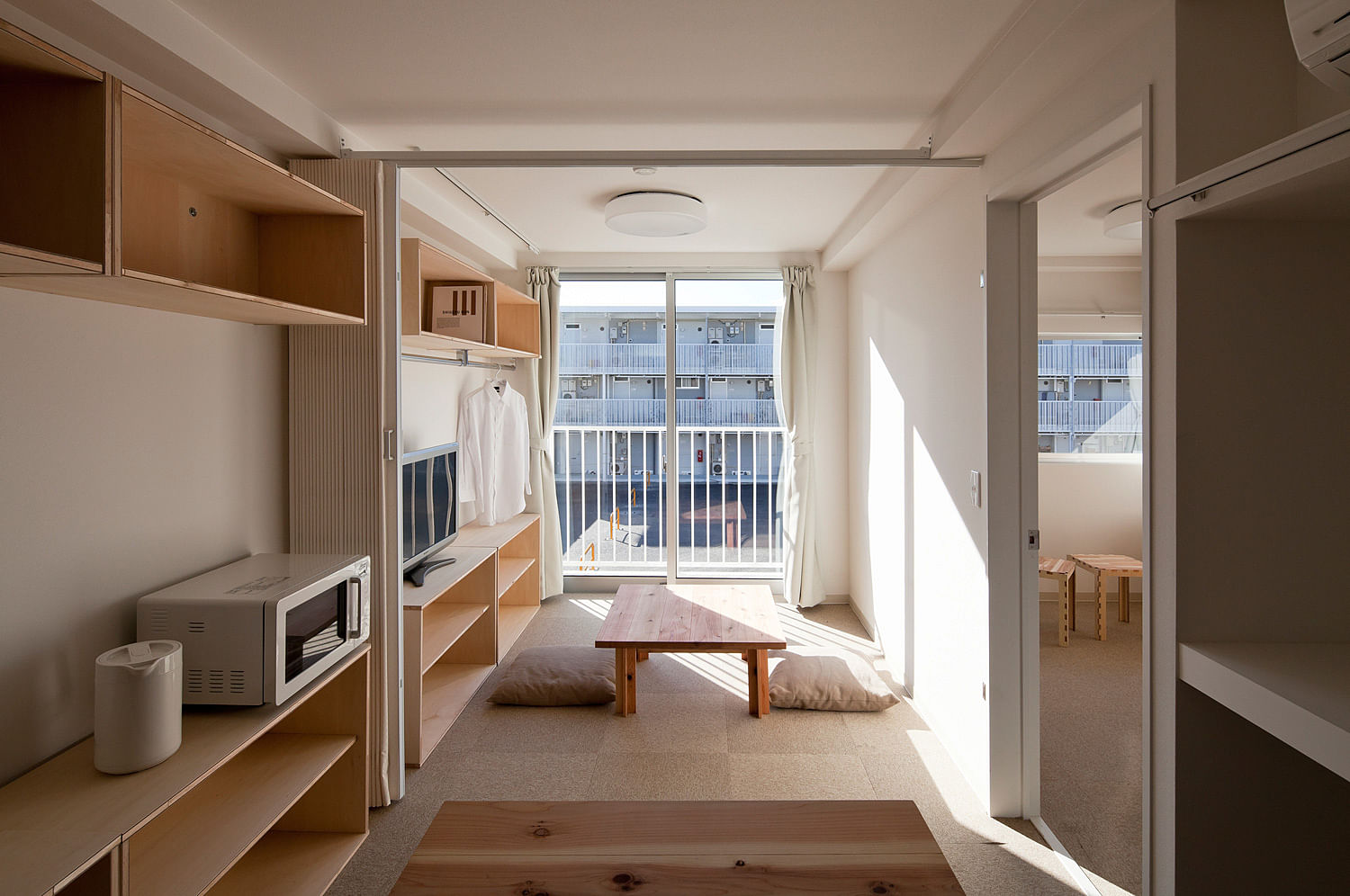
Container Temporary Housing, 2011, Onagawa, Miyagi, Japan. Photo by Hiroyuki Hirai

"Pritzker Prize jury chairman, The Lord Palumbo, said, 'Shigeru Ban is a force of nature, which is entirely appropriate in the light of his voluntary work for the homeless and dispossessed in areas that have been devastated by natural disasters. But he also ticks the several boxes for qualification to the Architectural Pantheon — a profound knowledge of his subject with a particular emphasis on cutting-edge materials and technology; total curiosity and commitment; endless innovation; an infallible eye; an acute sensibility — to name but a few.'"
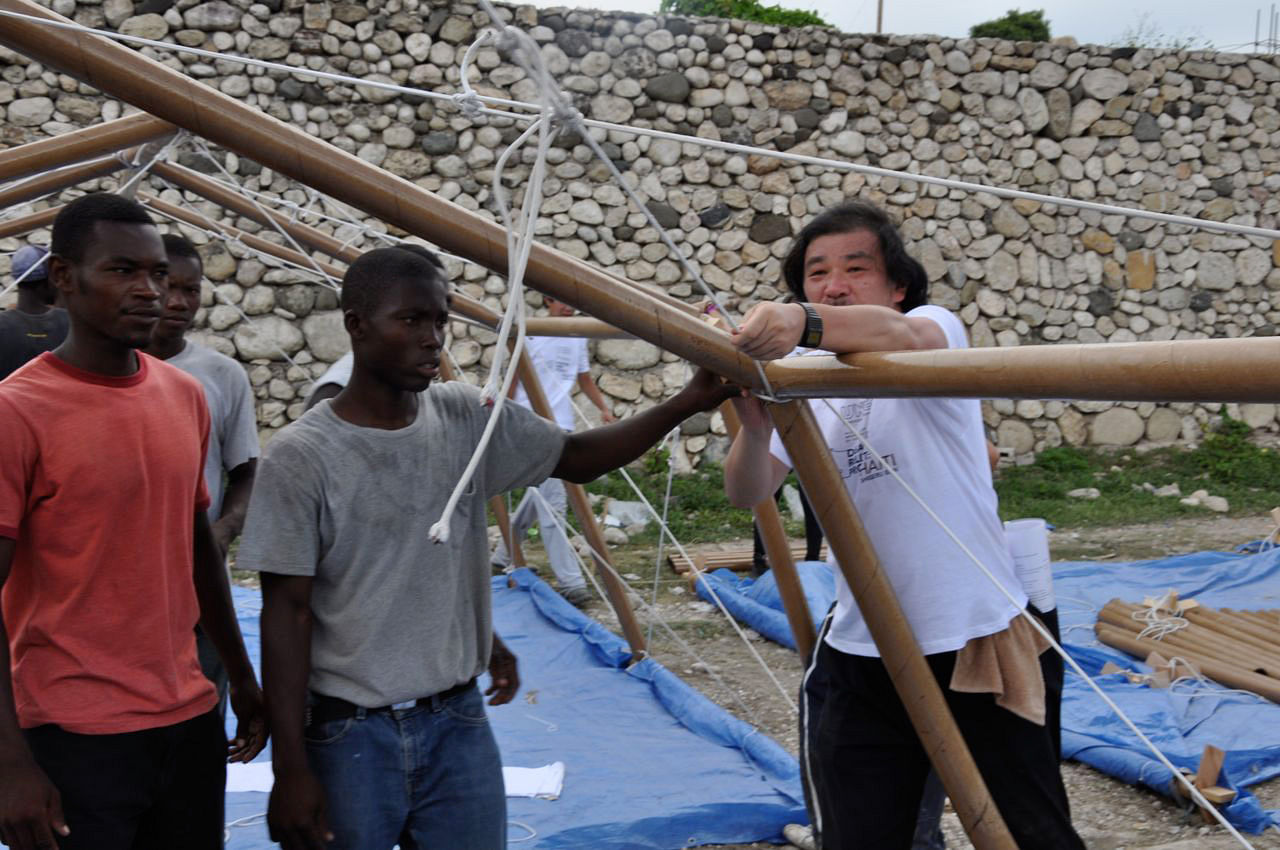
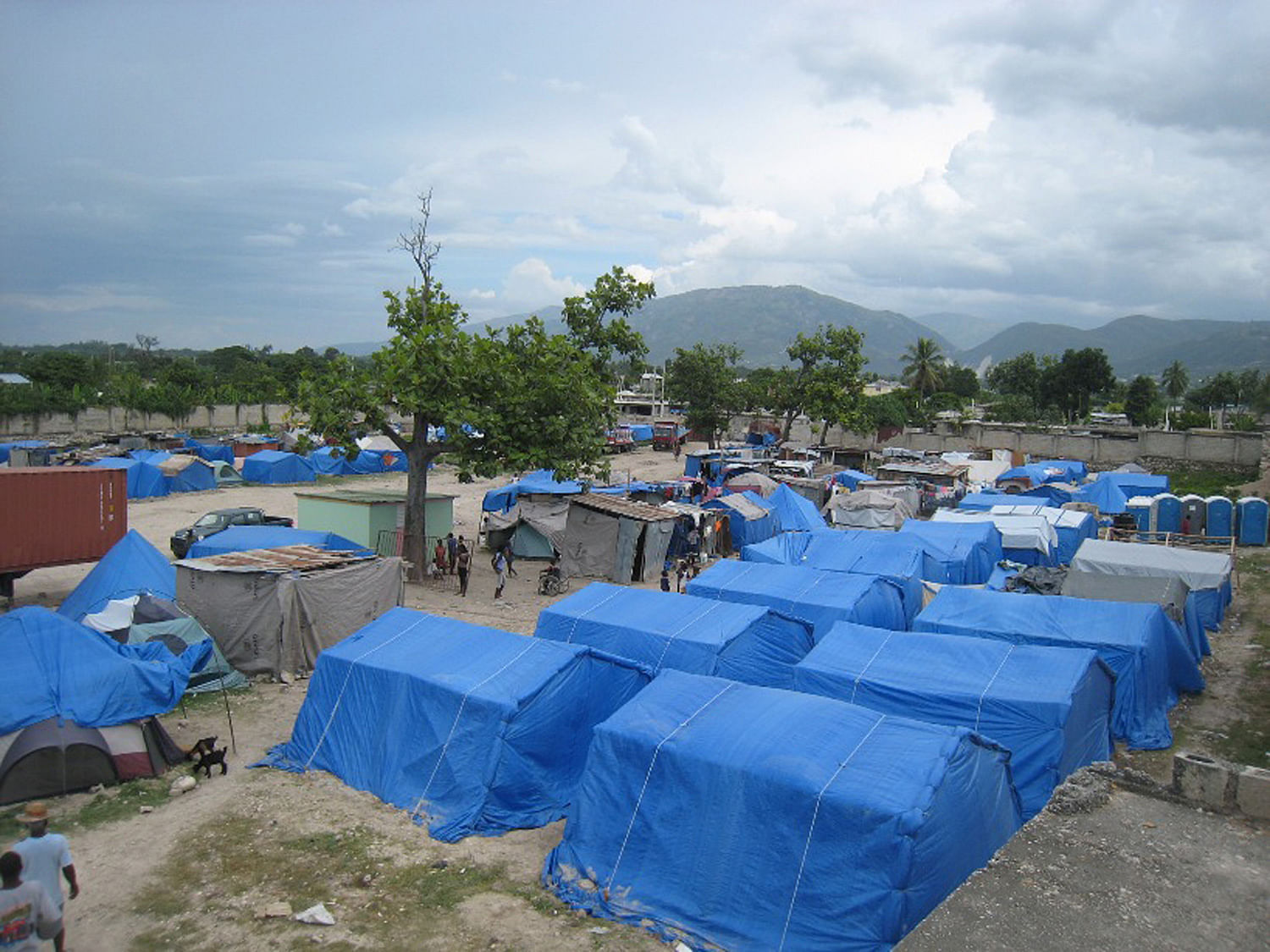
Paper Emergency Shelter for Haiti, 2010, Port-au-Prince, Haiti. Photo by Shigeru Ban Architects

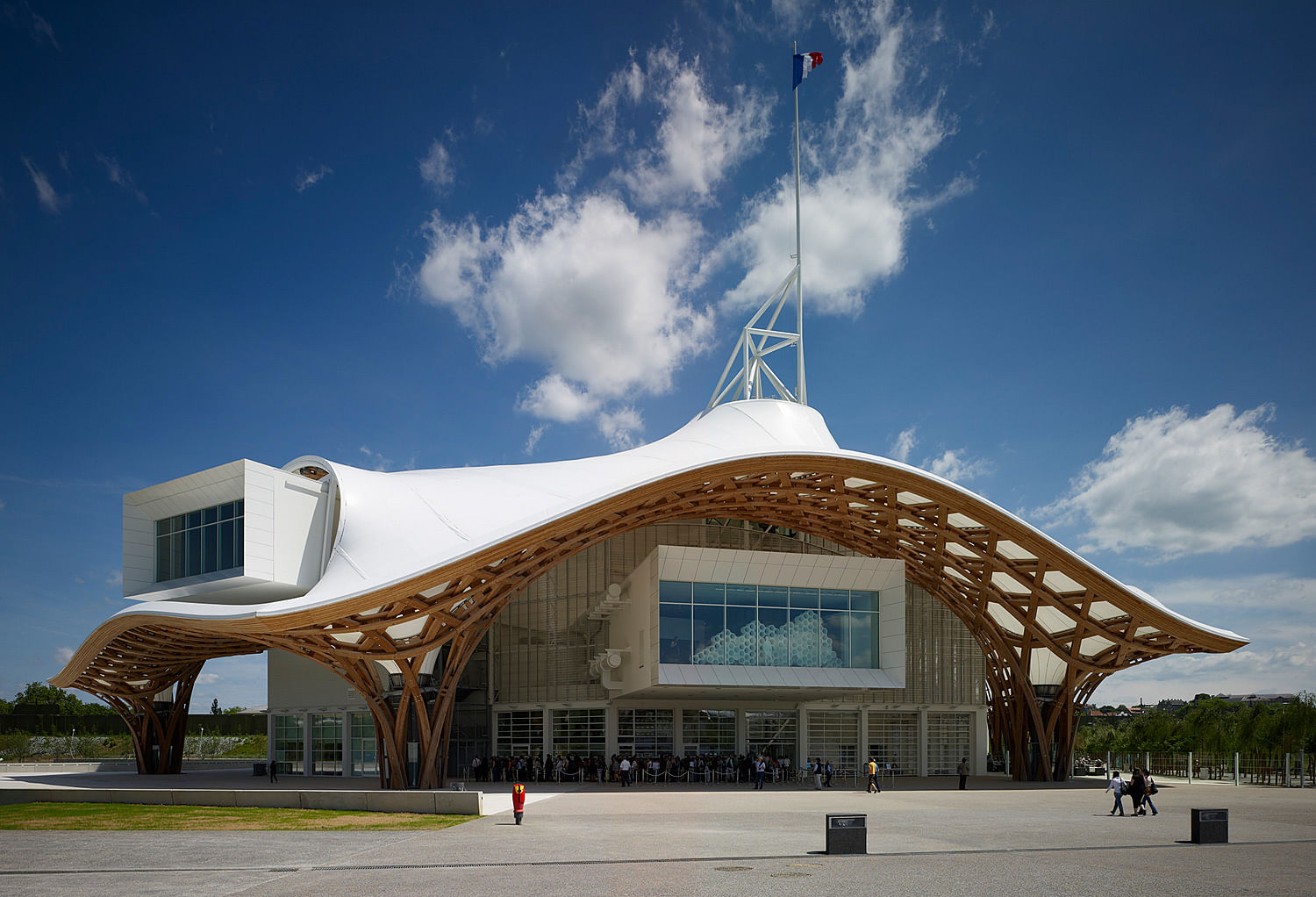
"The citation from the Pritzker Prize jury underscores Ban’s experimental approach to common materials such as paper tubes and shipping containers, his structural innovations, and creative use of unconventional materials such as bamboo, fabric, paper, and composites of recycled paper fiber and plastics."

Hualin Temporary Elementary School, 2008, Chengdu, China. Photo by Li Jun

"The distinguished jury that selected the 2014 Pritzker Laureate consists of its chairman, The Lord Palumbo, internationally known architectural patron of London, Chairman Emeritus of the Trustees, Serpentine Galleries, former Chairman of the Arts Council of Great Britain, former Chairman of the Tate Gallery Foundation; and alphabetically: Alejandro Aravena, architect and Executive Director of Elemental in Santiago, Chile; Stephen Breyer, U.S. Supreme Court Justice, Washington, D.C.; Yung Ho Chang, architect and educator, Beijing, The People’s Republic of China; Kristin Feireiss, architecture curator, writer, and editor, Berlin, Germany; Glenn Murcutt, architect and 2002 Pritzker Laureate, Sydney, Australia; Juhani Pallasmaa, architect, professor and author, Helsinki, Finland; and Ratan N. Tata, Chairman Emeritus of Tata Sons, the holding company of the Tata Group, Mumbai, India. Martha Thorne, Associate Dean for External relations, IE School of Architecture & Design, Madrid, Spain, is the Executive Director of the prize."

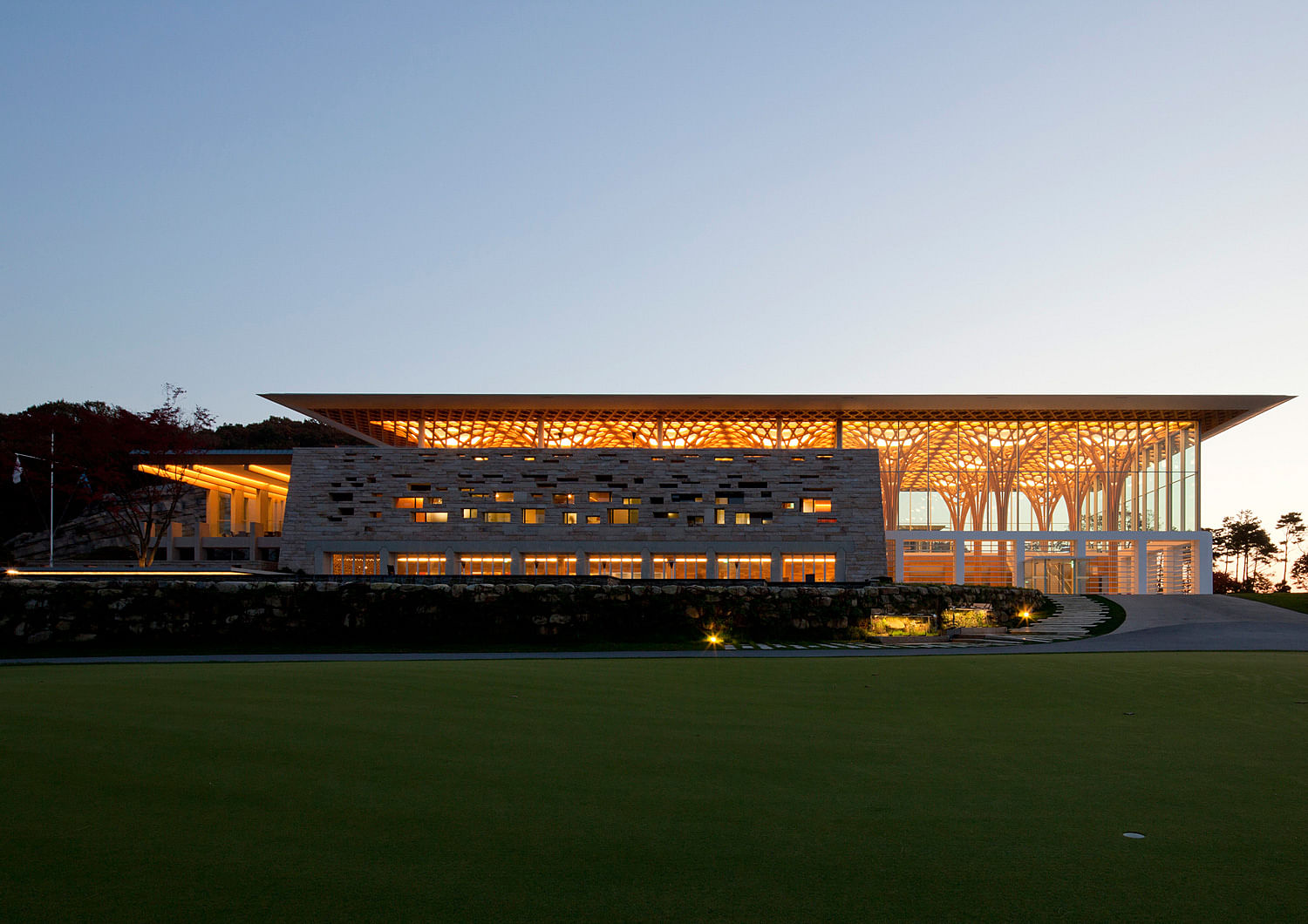
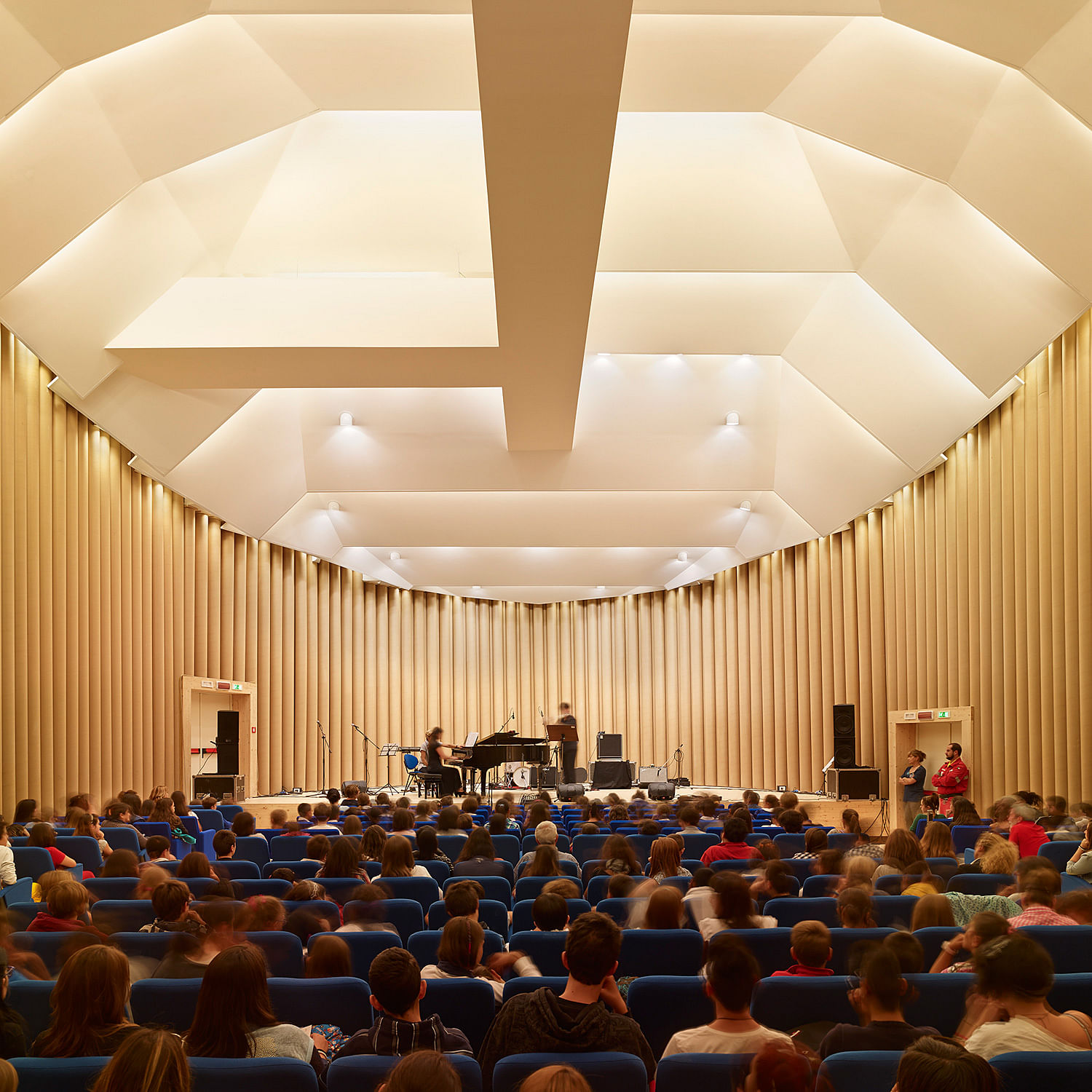
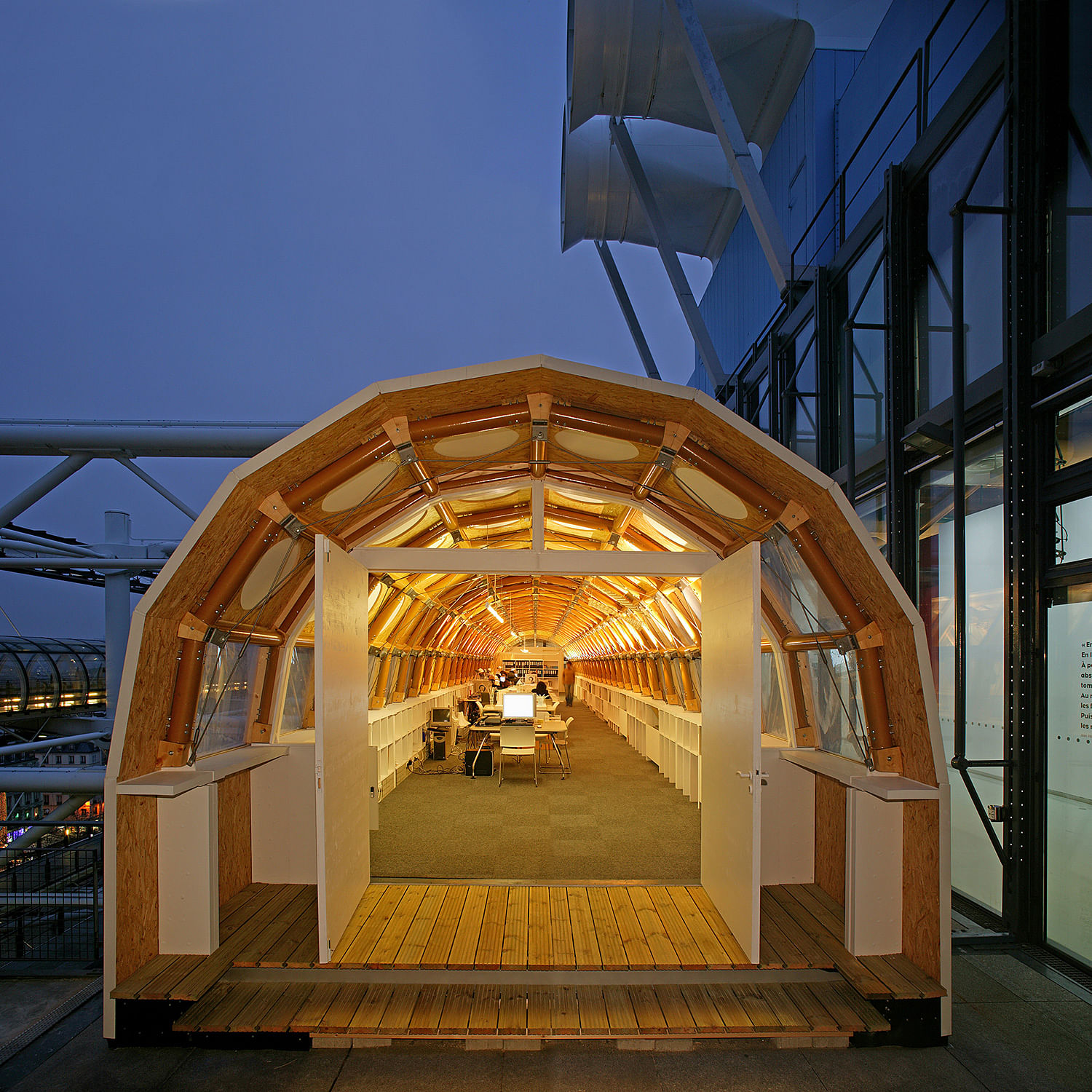
Find a few more selected projects by Shigeru Ban in the gallery below.

All photos courtesy of Shigeru Ban Architects.
Related

shigeru ban ● prize ● pritzker prize ● pritzker ● award

Share

  • Follow

    0 Comments

  • Comment as :

Shigeru Ban named as 2014 Pritzker Prize Laureate

Micro-architecture honored in latest Tiny House Architecture Competition

World’s most beautiful restaurants of 2026 chosen by Prix Versailles

Sponsored Post by Buildner

Design a wine tasting room in Italy! Valli Wine Tasting Room is launched!

10 can't-miss architecture & design events to see this June in London, Los Angeles, Chicago, San Francisco, Detroit, San Diego, Porto, and Barcelona

Sponsored Post by Buildner

Museum of Emotions / Edition #8 FINAL registration deadline is approaching!

Seven global projects make AR Public Awards shortlist 2026

Sponsored Post by Buildner

Design a slow-living restaurant in Portugal! Portugal Long Table Restaurant is launched!

World's best tall buildings honored at the CVU 2026 Award of Excellence

Sign up for Bustler's Email Newsletters

Sponsored Post by TWOPAGES

Final call: TWOPAGES X Design Contest 2026 submissions close June 5

Kengo Kuma & Paul Raff win Alberta national park visitor center competition with landscape-focused design

2026 Moira Gemmill and MJ Long prizes announced by W Awards

New architecture and design competitions: Kinderspace, Stewardson Keefe LeBrun Travel Grant, SMALL PROJECT BIG IMPACT, and Garden of University House, Bucharest

The Century of Gehry: New retrospective explores the late architect's work & collaborations

Sponsored Post by Buildner

Rome Rain Rooms FINAL registration deadline is in 5 DAYS!

UIA and UN Habitat unveil sustainability-focused winners for UIA 2030 Award

Next page » Loading

Shigeru Ban named as 2014 Pritzker Prize Laureate

By Bustler Editors|

Monday, Mar 24, 2014

Share

Shigeru Ban, 2014 Pritzker Architecture Prize Winner.

Related

shigeru ban ● prize ● pritzker prize ● pritzker ● award

Japanese architect Shigeru Ban has been announced as the 2014 Laureate of the Pritzker Architecture Prize. Established by the Pritzker family of Chicago in 1979, the prestigious award is widely regarded as "the Nobel Prize" in the architecture profession.

Shigeru Ban will be the seventh Japanese architect to become a Pritzker Laureate — the first six being the late Kenzo Tange in 1987, Fumihiko Maki in 1993, Tadao Ando in 1995, the team of Kazuyo Sejima and Ryue Nishizawa in 2010, and Toyo Ito in 2013.

Shigeru Ban will officially accept the prize at a formal ceremony in the Rijksmuseum in Amsterdam on June 13, 2014. This will be the first time the ceremony will be held in The Netherlands.

Past recipients in recent years include Toyo Ito (2013), Wang Shu (2012), Eduardo Souto de Moura (2011), SANAA (2010), and Peter Zumthor (2009). Laureates receive a $100,000 grant, a formal citation certificate, and a bronze medallion based on the designs of famed Chicago architect Louis Sullivan.

From the winning announcement:

"Shigeru Ban, a Tokyo-born, 56-year-old architect with offices in Tokyo, Paris and New York, is rare in the field of architecture. He designs elegant, innovative work for private clients, and uses the same inventive and resourceful design approach for his extensive humanitarian efforts. For twenty years Ban has traveled to sites of natural and man-made disasters around the world, to work with local citizens, volunteers and students, to design and construct simple, dignified, low-cost, recyclable shelters and community buildings for the disaster victims."

Curtain Wall House, 1995, Tokyo, Japan. Photo by Hiroyuki Hirai

"Reached at his Paris office, Shigeru Ban said, 'Receiving this prize is a great honor, and with it, I must be careful. I must continue to listen to the people I work for, in my private residential commissions and in my disaster relief work. I see this prize as encouragement for me to keep doing what I am doing — not to change what I am doing, but to grow.'"

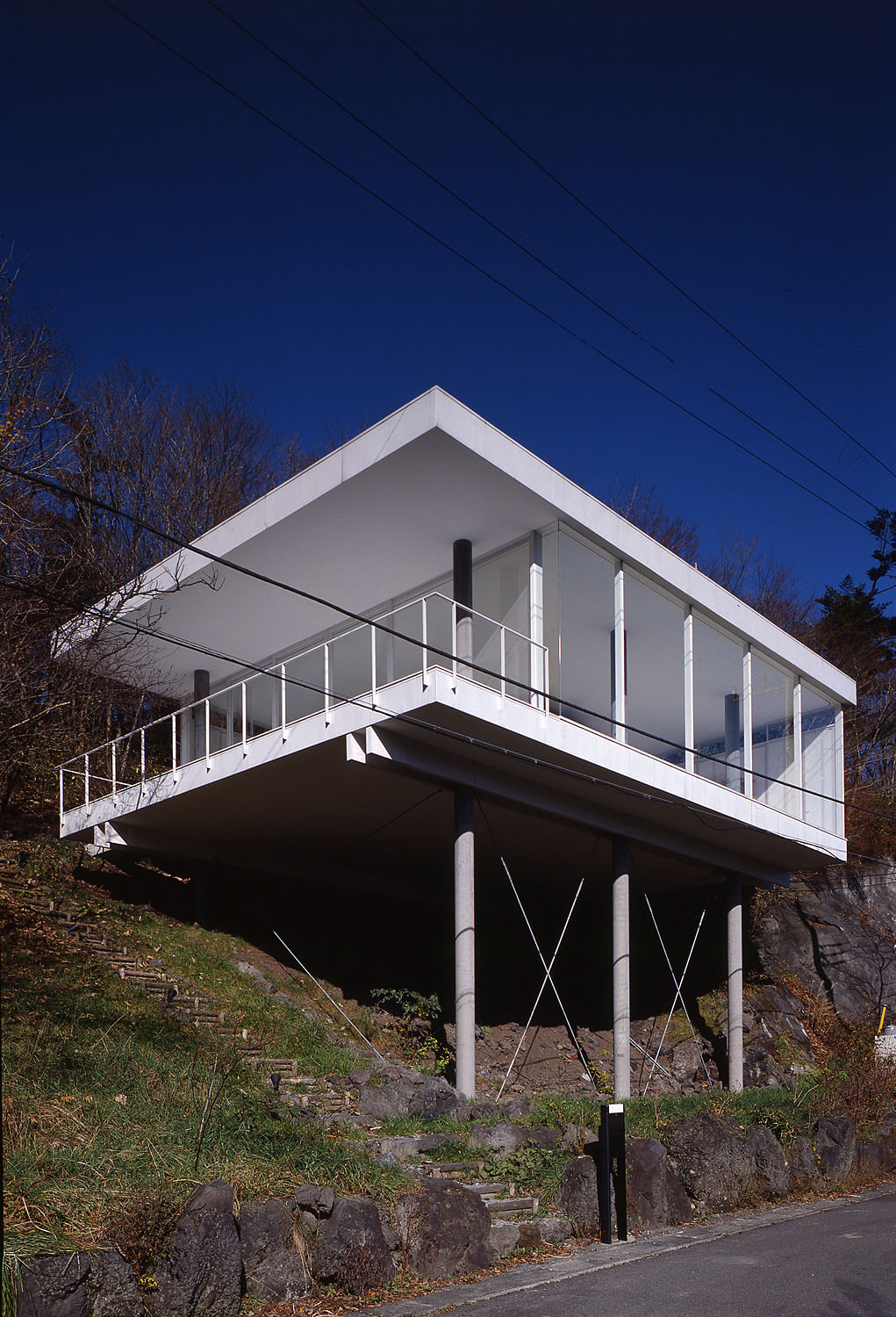
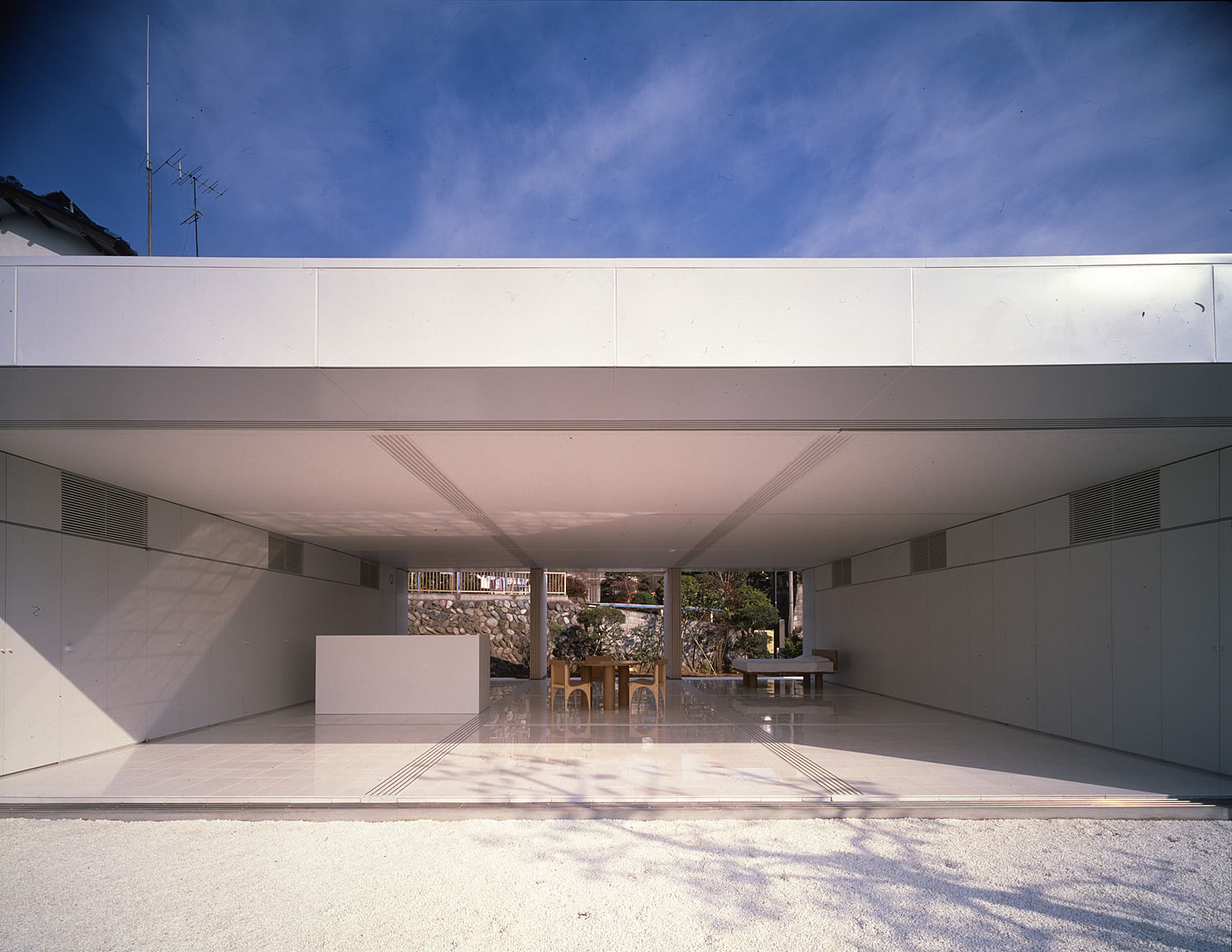
Wall-Less House, 1997, Nagano, Japan. Photo by Hiroyuki Hirai

"In all parts of his practice, Ban finds a wide variety of design solutions, often based around structure, materials, view, natural ventilation and light, and a drive to make comfortable places for the people who use them. From private residences and corporate headquarters, to museums, concert halls and other civic buildings, Ban is known for the originality, economy, and ingeniousness of his works, which do not rely on today’s common high-tech solutions."

Metal Shutter House, 2010, New York, USA. Photo by Michael Moran

"To construct his disaster relief shelters, Ban often employs recyclable cardboard paper tubes for columns, walls and beams, as they are locally available; inexpensive; easy to transport, mount and dismantle; and they can be water- and fire-proofed, and recycled. He says that his Japanese upbringing helps account for his wish to waste no materials."

Japan Pavilion, Expo 2000 Hannover, 2000, Germany. Photo by Hiroyuki Hirai

"As a boy, Shigeru Ban observed traditional Japanese carpenters working at his parents’ house and to him their tools, the construction, and the smells of wood were magic. He would save cast aside pieces of wood and build small models with them. He wanted to become a carpenter. But at age eleven, his teacher asked the class to design a simple house and Ban’s was displayed in the school as the best. Since then, to be an architect was his dream."

Cardboard Cathedral, 2013, Christchurch, New Zealand. Photo by Stephen Goodenough

"Ban’s humanitarian work began in response to the 1994 conflict in Rwanda, which threw millions of people into tragic living conditions. Ban proposed paper-tube shelters to the United Nations High Commissioner for Refugees and they hired him as a consultant. After the 1995 earthquake in Kobe, Japan, he again donated his time and talent. There, Ban developed the “Paper Log House,” for Vietnamese refugees in the area, with donated beer crates filled with sandbags for the foundation, he lined up the paper cardboard tubes vertically, to create the walls of the houses. Ban also designed “Paper Church,” as a community center of paper tubes for the victims of Kobe. It was later disassembled and sent to Taiwan, and reconstructed there, in 2008."

Paper Partition System 4, 2011, Japan. Photo by Voluntary Architects’ Network

"Ban works with local victims, students, and other volunteers to get these disaster relief projects built. In 1995, he founded a non-governmental organization (NGO) called VAN: Voluntary Architects’ Network. With VAN, following earthquakes, tsunami, hurricanes, and war, he has conducted this work in Japan, Turkey, India, Sri Lanka, China, Haiti, Italy, New Zealand, and currently, the Philippines."

Container Temporary Housing, 2011, Onagawa, Miyagi, Japan. Photo by Hiroyuki Hirai

"Pritzker Prize jury chairman, The Lord Palumbo, said, 'Shigeru Ban is a force of nature, which is entirely appropriate in the light of his voluntary work for the homeless and dispossessed in areas that have been devastated by natural disasters. But he also ticks the several boxes for qualification to the Architectural Pantheon — a profound knowledge of his subject with a particular emphasis on cutting-edge materials and technology; total curiosity and commitment; endless innovation; an infallible eye; an acute sensibility — to name but a few.'"

Paper Emergency Shelter for Haiti, 2010, Port-au-Prince, Haiti. Photo by Shigeru Ban Architects

"The citation from the Pritzker Prize jury underscores Ban’s experimental approach to common materials such as paper tubes and shipping containers, his structural innovations, and creative use of unconventional materials such as bamboo, fabric, paper, and composites of recycled paper fiber and plastics."

Hualin Temporary Elementary School, 2008, Chengdu, China. Photo by Li Jun

"The distinguished jury that selected the 2014 Pritzker Laureate consists of its chairman, The Lord Palumbo, internationally known architectural patron of London, Chairman Emeritus of the Trustees, Serpentine Galleries, former Chairman of the Arts Council of Great Britain, former Chairman of the Tate Gallery Foundation; and alphabetically: Alejandro Aravena, architect and Executive Director of Elemental in Santiago, Chile; Stephen Breyer, U.S. Supreme Court Justice, Washington, D.C.; Yung Ho Chang, architect and educator, Beijing, The People’s Republic of China; Kristin Feireiss, architecture curator, writer, and editor, Berlin, Germany; Glenn Murcutt, architect and 2002 Pritzker Laureate, Sydney, Australia; Juhani Pallasmaa, architect, professor and author, Helsinki, Finland; and Ratan N. Tata, Chairman Emeritus of Tata Sons, the holding company of the Tata Group, Mumbai, India. Martha Thorne, Associate Dean for External relations, IE School of Architecture & Design, Madrid, Spain, is the Executive Director of the prize."

Find a few more selected projects by Shigeru Ban in the gallery below.

All photos courtesy of Shigeru Ban Architects.
Share

  • Follow

    0 Comments

  • Comment as :

Archinect JobsArchinect Jobs

The Archinect Job Board attracts the world's top architectural design talents.

VIEW ALL JOBS POST A JOB

Project Designer (3-5 years)

Edmonds + Lee Architects

Project Designer (3-5 years)

San Francisco, CA, US

Construction Administrator

Solutions Architecture Corp

Construction Administrator

Verona, NJ, US

Senior Designer / Architect

NardiHaus

Senior Designer / Architect

Pasadena, CA, US

Architect

mani colaku architects

Architect

New York, NY, US

Project Architect

Lang Architecture

Project Architect

New York, NY, US

Office Assistant / Studio Coordinator

Beinfield Architecture PC

Office Assistant / Studio Coordinator

Norwalk, CT, US

Design Architect

JLK Architects

Design Architect

Chicago, IL, US

Junior Architect

VanderHorn Architects

Junior Architect

Greenwich, CT, US

Senior Technical Architect - Interiors - New York Office

Fogarty Finger

Senior Technical Architect - Interiors - New York Office

New York, NY, US

Mid-Level Architect/Designer

Payette

Mid-Level Architect/Designer

Boston, MA, US

Next page » Loading